Relationships
Imagine You Break Up With Someone You Love and They Will Not Stop Visiting You
After reading my first website traffic report today, I learned that breaking up no longer means disappearing from someone's life.
7 min read
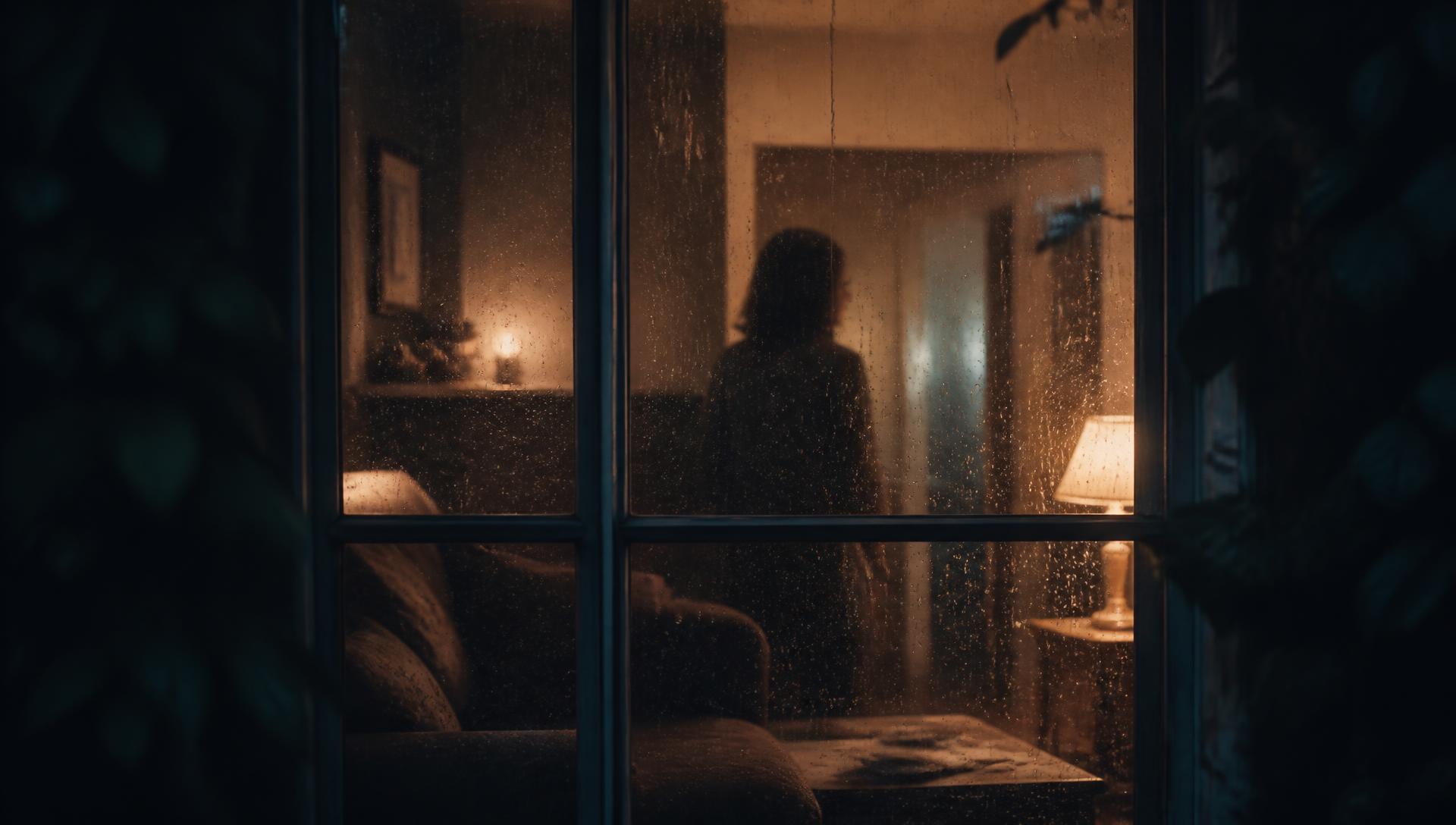
Imagine you break up with someone you love and they want no contact.
It hurts, but eventually you accept that this is what breaking up means.
They don't live there anymore.
Their toothbrush disappears.
Their clothes are gone.
You stop buying the things they liked.
You begin the unpleasant process of learning how to live without someone who had become part of your everyday life.
Then, a few days later, you come home and find them sitting in your living room.
They don't say anything.
They don't want to talk.
They're just looking around.
You ask if everything is okay.
Nothing.
After a few minutes, they leave.
Strange, but breakups are strange.
The next day, they're back.
This time they're reading something you left on the kitchen table.
Apparently they've also brought a couple of friends because whatever you've written is interesting enough to require a small focus group.
Again, nobody wants to talk to you.
They just want to know what you're doing.
Then they leave.
A few days later, they're in their home town, but somehow still in your living room.
Then they're back home.
They visit every day or every other day.
They read what you've written, look around to see what's changed and quietly leave again without saying a word.
This would be considered completely insane behavior in the physical world.
If you end a relationship, surrender your key and then continue quietly letting yourself into your ex's apartment to see what he's thinking about, eventually someone is going to suggest that perhaps you haven't completely embraced the concept of breaking up.
The Internet Has Changed That
Now you can leave someone's life without actually leaving it.
You can stop speaking to them while continuing to read everything they write.
You can read about something terrible happening to them, feel whatever you feel about it, and quietly disappear again because you assume they never knew you were there.
You can watch where they go, what they're doing, who they're with and whether they appear happy.
You can send things to friends for analysis.
You can know an extraordinary amount about someone's life while maintaining the position that you want absolutely nothing to do with that person.
We've somehow decided this is normal.
I'm not sure it is.
There is something particularly strange about wanting continued access to someone without accepting any of the responsibilities that normally come with access.
Relationships require participation.
They require conversations, uncomfortable moments, explanations, questions and occasionally hearing things you would rather not hear.
Watching requires none of that.
You get information without vulnerability, proximity without participation.
You get to visit without ever knocking on the door.
And perhaps that's why people do it.
Actually talking to someone requires courage.
Reading about them requires WiFi.
It's basically emotional surveillance with a subscription button.
The person doing the writing is particularly convenient because you don't even have to wonder what he's thinking.
He keeps publishing it for you.
But Being Allowed Is Different From Understanding Why
There is, of course, an obvious objection to all of this.
If someone publishes something publicly, anyone is allowed to read it.
Absolutely.
If I put something on the internet, I don't get to choose who reads it.
That's the deal.
Complaining that someone read something you published publicly would be a little like putting a billboard on the highway and becoming furious when a particular car drives past.
But being allowed to do something and understanding why you keep doing it are different questions.
That's the part I find interesting.
If you have decided someone shouldn't be part of your life anymore, why maintain a front row seat to theirs?
Maybe it's curiosity or habit or you need the energy anyway you can get it from them.
Maybe you're checking whether they've moved on.
Maybe you're checking whether you have.
Or perhaps leaving someone turns out to be much easier than actually letting them go.
The Distance We Lost
I think that's the part social media and the internet have complicated.
There used to be friction in a breakup.
Someone disappeared from your daily life and, unless you deliberately called them or drove past their house like a lunatic, you gradually knew less and less about them.
That distance probably served a purpose.
Today you can break up at noon and know what your ex had for dinner.
We have eliminated the distance while somehow expecting ourselves to experience the same emotional separation.
I'm not sure that works.
Continuing to consume someone's life may keep a tiny version of the relationship alive.
One person keeps producing and the other keeps watching.
There is no conversation and no actual relationship, but there is still a connection.
A strange, one directional connection that asks nothing of the person watching and quietly takes something from the person being watched.
The Door Stays Open
Which brings me back to the imaginary woman sitting silently in the living room.
Eventually I think I'd stop asking why she was there.
I'd probably just walk past her, make coffee and perhaps ask if her friends wanted anything.
Because if someone repeatedly comes into your house but refuses to speak to you, at some point their behavior stops being your problem to understand.
The door is open because I write publicly.
That's my choice.
Whether someone who has left my life keeps walking through it is theirs.
And maybe that's the strangest part of breaking up in the age of the internet.
We have created a world in which you can leave someone without ever really leaving.
You can close the door on a relationship while keeping a window open into the other person's life for as long as you want.
But eventually, if you keep looking through that window, there is a question worth asking.
If you already know what he's thinking, what he's doing and probably what he had for dinner Tuesday night, how strange would it really be to say hello?
After all, if you're going to keep coming over anyway, you might as well say hi.
Paul Harkins